Paver pool deck re-leveling: when to re-lay, not lift
⏱️ 8 min read · Last updated: 2026
Paver pool deck re-leveling is the right repair when your pool deck pavers settle but the base still holds enough strength to save. The fix lifts the affected pavers, rebuilds the bedding and base where needed, then resets the same units back to grade. If the movement is localized, re-laying usually restores a safe, even surface. If the base has washed out or failed, excavation is the better long-term solution.
- Re-lay cost runs roughly $8–$25 per square foot in 2026, depending on access and how much base rebuild is needed.
- A two-person crew re-sets existing pavers at about 10–15 square feet per hour once the base is corrected.
- A 200 sq ft section is usually a one-day job.
- Paver base should be at least 4 in. (100 mm) thick after compaction over well-drained soil, per ICPI Tech Spec 2 (2020).
- Compact base aggregate in lifts no thicker than 4 inches to reach density all the way down.
Why a mudjacking quote for pavers is a red flag
A mudjacking quote for pavers is a warning sign because pavers are not a bonded slab. They are hundreds of separate concrete pavers resting on sand over a compacted base, so paver pool deck re-leveling means lifting the units and fixing what is underneath them.
That distinction matters for cost and results. Re-laying is more hands-on than foam, but it usually costs less per square foot, fixes the actual cause, and leaves the deck adjustable later. A foam job on a paver deck can follow the path of least resistance through the joints, lift unevenly, and still force hand re-seating.
Source: www.icpi.org
| Repair option | Best for | Typical cost | Pros | Limits |
|---|---|---|---|---|
| Paver re-leveling | Localized settlement | $8–$25/sq ft | Keeps original pavers, corrects grade, durable when base is sound | Needs access and a stable subgrade |
| Foam injection | Bonded concrete slabs | Varies by slab size | Fast on monolithic concrete | Not appropriate for loose-laid pavers |
| Excavation and rebuild | Failed base or washout | Higher than re-lay | Solves chronic drainage or base failure | More time, more labor, more cost |
What actually decides re-lay vs. excavate
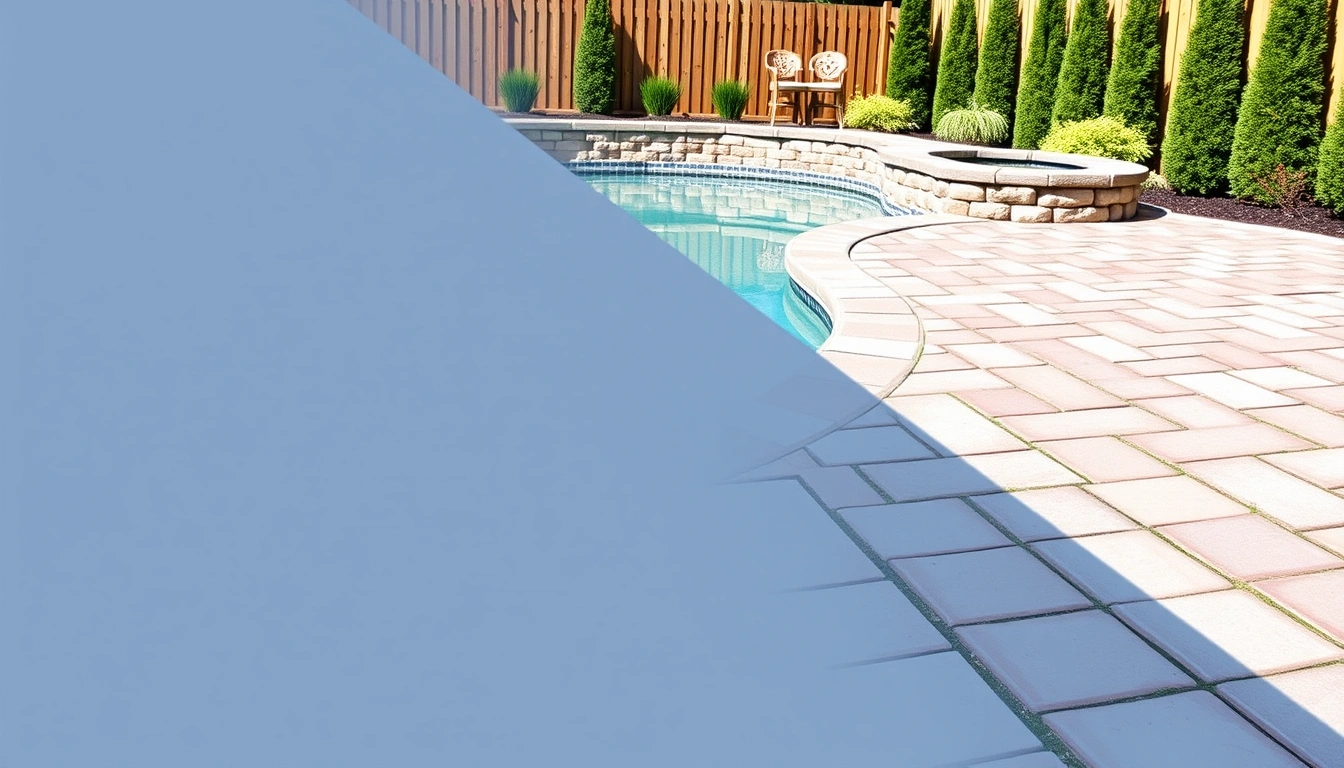
The deciding factor is whether the paver base has settled or failed. If the base settled unevenly but is still intact, you lift, re-compact, re-screed, and re-lay. If the base washed out, eroded from a pool leak, or was never thick enough, excavation and rebuild are the correct fix.
A gradual dip over a broad area usually points to a settled base. A soft, scoured cavity under the sand or soil that stays wet without rain usually points to a failed base. When you restore grade, aim for at least a 1.5% slope away from the pool per ICPI Tech Spec 2, because a deck that ponds water is a deck that will sink again. Getting the proper drainage slope right helps keep the repair permanent.
Why do my pool deck pavers keep sinking in one spot?
Pool deck pavers often sink in one spot because water, traffic, or thin base compaction weakens a localized area. A leak, an unsupported edge, or a base that was not compacted deeply enough can also cause the same problem.
That pattern matters because a single low area can usually be corrected with a targeted re-lay. If the same spot keeps failing, inspect for drainage problems, hidden moisture, or washout before you reset the pavers. A repair only lasts when the base below it stays stable.
How do you fix sunken pavers without removing them all?
You fix sunken pavers without removing the entire deck by lifting only the affected section, correcting the base, and re-laying the same units. Paver pool deck re-leveling is surgical when the failure is isolated.
First, remove the joint sand and lift the pavers in the affected area. Then repair the base, compact in lifts no thicker than 4 inches, and re-screed the bedding layer. After that, reset the pavers, restore the joints, and compact the surface again so the field locks back together.
The full re-lay workflow, step by step
The re-lay workflow starts with diagnosis and ends with joint stabilization. Each step matters because a paver deck only stays level when the base, bedding layer, and joints all work together.
1. Mark the affected area
Outline the low section and check whether the issue spreads beyond the visible dip. If the failure extends past one spot, expand the repair zone before you remove any units.
2. Lift and save the pavers
Remove the pavers carefully so you can reuse the same pieces. Keep them sorted by location if the deck includes cuts, borders, or pattern changes.
3. Repair the base
Rebuild any washed-out or weak areas with base aggregate, then compact it in lifts no thicker than 4 inches. The finished paver base should be at least 4 in. (100 mm) thick after compaction over well-drained soil.
4. Re-screed the bedding layer
Spread and screed the bedding sand to the correct grade. Uneven screeding creates another low spot, so take time to keep the surface consistent before you set the pavers.
5. Reset the pavers and compact
Re-lay the pavers, cut edges as needed, and compact the surface so the units seat evenly. A two-person crew can re-set existing pavers at about 10–15 square feet per hour once the base is corrected.
6. Fill the joints
Install polymeric sand and sweep it in fully. Keep the joints consistent so the sand can lock the field together and resist washout during pool splash and rain.
When the standard advice breaks down
Some pool deck failures need more than a standard re-lay. If the soil below the base is saturated, the pool deck drains toward the house, or a leak keeps feeding moisture into the subgrade, the repair has to go deeper than the pavers themselves.
Some pool deck failures need more than a standard re-lay. If the soil below the base is saturated, the pool deck drains toward the house, or a leak keeps feeding moisture into the subgrade, the repair has to go deeper than the pavers themselves. Severely eroded borders, widespread sinking, and decks built too thin from day one also call for a broader rebuild. In those situations, excavation is often the only durable solution. Re-laying pavers over unstable ground only delays the same failure.
Is paver pool deck re-leveling worth it in 2026?
Paver pool deck re-leveling is worth it when the base is salvageable. In 2026, re-lay work generally runs about $8–$25 per square foot, and that is usually cheaper than rebuilding the entire deck.
The math works best for isolated settlement, good access, and a deck that still has healthy pavers worth reusing. A 200 sq ft section is often a one-day job, which makes targeted repair attractive when only part of the pool surround has moved.
If the base has failed broadly, the economics change and excavation becomes the smarter investment. The goal is not to force a re-lay everywhere; it is to choose the repair that solves the cause and keeps the deck safe around the pool.
Frequently asked questions about paver pool deck re-leveling
Can you lift a paver pool deck like a concrete slab?
No. Pavers are separate units on sand and base aggregate, so paver pool deck re-leveling means lifting and resetting the pavers, not injecting foam beneath a bonded slab.
What is the biggest sign that a re-lay will work?
A broad, gradual dip usually means the base settled and can be corrected with a re-lay. If the area is soft, wet, or washed out, excavation is more likely.
How much does paver pool deck re-leveling cost in 2026?
Re-lay cost runs roughly $8–$25 per square foot in 2026, depending on access and how much base rebuild is needed.
How long does a typical repair take?
A two-person crew can re-set existing pavers at about 10–15 square feet per hour once the base is corrected, and a 200 sq ft section is usually a one-day job.
What base thickness should a paver pool deck have?
Per ICPI Tech Spec 2 (2020), the paver base should be at least 4 in. (100 mm) thick after compaction over well-drained soil.
Conclusion
Paver pool deck re-leveling works best when the deck has settled but the base can still support a re-lay. If the problem is isolated, lift the affected pavers, correct the base, re-screed, and reset the joints. If the base has failed, choose excavation instead. Matching the repair to the cause protects the pool deck, improves drainage, and keeps the surface safe.
Author bio: Marcus Reyes is an ICPI-Certified Concrete Paver Installer with 14 years of hardscape and pool-deck experience. He specializes in paver pool deck re-leveling, base correction, and durable re-lay repairs for residential pool surrounds.
See also: pool deck leveling by surface type
See also: re-leveling pool deck after failed lift
See also: concrete pool deck leveling
Related: stamped concrete pool deck leveling
Related: deck footing repair
Related: ledger board separation
See also: pool deck leveling by surface type
See also: pool deck leveling
See also: sinking pool deck repair