

Pool deck leveling services: what actually works in 2026
⏱️ 15 min read · Last updated: 2026
- Average cost: $3–$6 per square foot for mudjacking — 25% to 50% less than pouring a new slab (HomeAdvisor, 2025).
- Polyurethane foam cures in as little as 1 hour; mudjacking needs 1 to 3 days to dry completely (HomeAdvisor, 2025).
- Properly done mudjacking lasts 8 to 10 years, especially where the surface doesn’t carry constant heavy loads (HomeAdvisor, 2025).
- The most common cause of slab settlement is inconsistent soil moisture under the deck (Wikipedia, 2026).
- Injection access holes are typically 1″ to 2″ in diameter (Wikipedia, 2026).
Ninety minutes. That’s how long a foam crew needed to raise my neighbor’s sunken pool deck, and the bill came to $850. The first concrete company through the gate had quoted $4,200 to rip the slab out and pour a fresh one. Same deck. Same lip snagging everyone’s toes on the way to the water. That gap between the two numbers is exactly what trips people up about pool deck leveling services.
Source: www.homeadvisor.com
Let me be honest about the tension here. The cheaper method isn’t always the right one, and the pricier method isn’t always worth paying double for. I once watched a mudjacking repair beside a spa sink again within two summers, because the soil kept soaking through and washing out from under it. With pool decks, water is the whole ballgame.
So the real question was never “which service is best.” It’s narrower than that: which method matches the way your particular deck failed? Nail that answer, and the price and the wait time mostly fall into line on their own.
What actually determines the right fix for a sunken pool deck
The right fix comes down to one thing: why the soil under your deck moved. Not the width of the crack you can see. Pool decks sink because the ground beneath them stopped holding weight, and whatever caused that loss of support also dictates the cure.
The most common culprit behind slab settlement is inconsistent soil moisture (Wikipedia, 2026). Around a pool, that inconsistency never lets up. Splash-out. Backwash lines. A leaking return fitting. Sprinklers running on a timer at 6 a.m. Water shoves the soil around, and the concrete just follows it down.
So before you shop pool deck leveling services, work out which of three things happened under your slab:
- Washout — water carried fine soil away, leaving a void. Common near skimmers, downspouts, and low coping.
- Consolidation — loose fill compacted over years. In parts of the U.S., naturally occurring soils consolidate from Texas up through Wisconsin (Wikipedia, 2026).
- Erosion channel — a repeating water path (a downspout with no extension) that will keep eroding no matter what you inject.
Skip the water source and every leveling method fails early. That’s the part most articles gloss right over. Leveling puts the slab back up. It does nothing to stop a downspout from carving out that same soil again come spring.
Leveling raises the concrete. Only drainage keeps it raised. Budget for both, or budget to do it twice.
Here’s a two-minute test. Pour a bucket of water where the deck meets the house or coping and watch it go. If it runs toward the low slab instead of away from it, you’ve got a drainage problem to solve right alongside the lift — check our notes on pool deck drainage fixes before you book anyone.
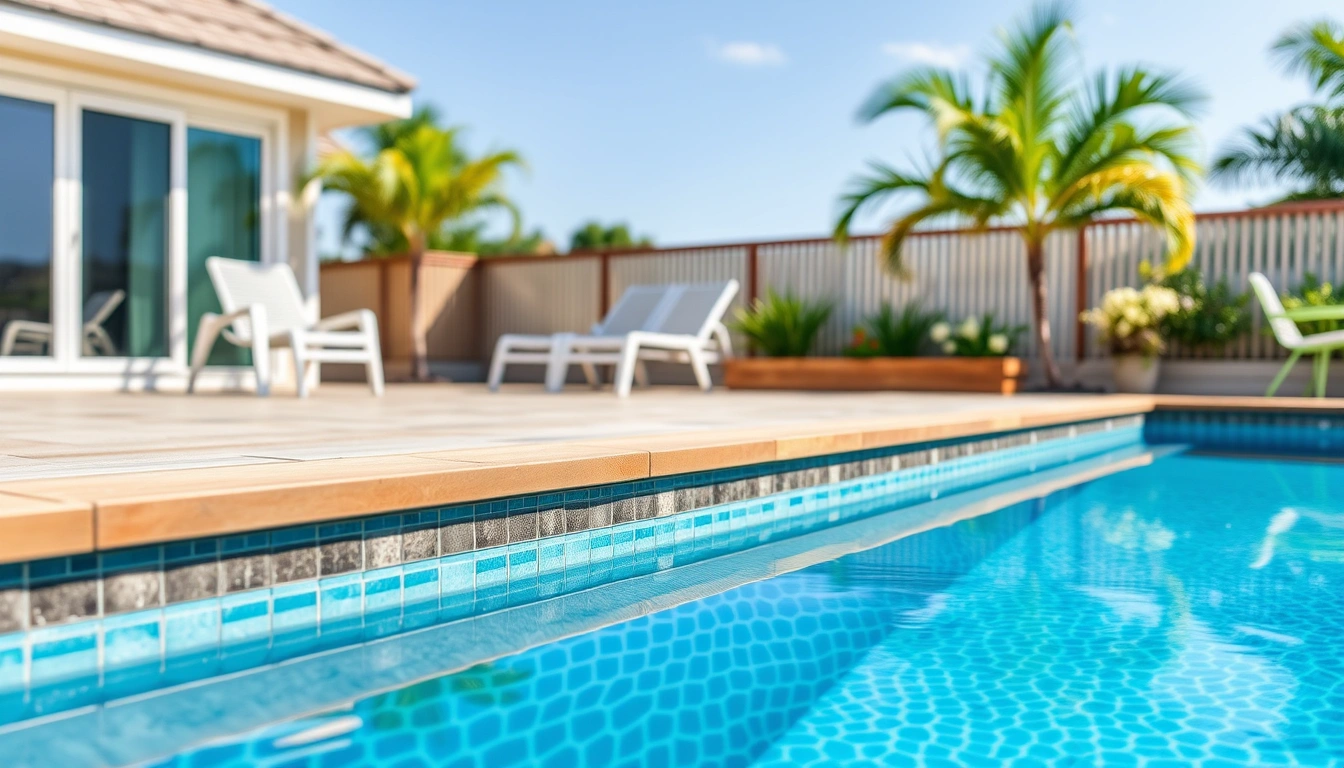
If your deck sank at the coping, start here
Sank right at the coping — the cap stones lining the pool’s edge? Then foam jacking is almost always the correct method, not mudjacking. It comes down to weight and water, and both of them sit against the pool shell in the one spot where you can’t afford to add load.
Mudjacking pumps a heavy cement slurry under the slab. Near the coping, that extra weight can press on the pool wall and disturb backfill that’s already waterlogged. Polyurethane foam weighs a fraction of the slurry. It expands to fill the voids without loading the shell at all.
Here’s the IF/THEN logic I run through on site:
- If the sunken section is within 3 feet of the coping or spa, then choose foam (PolyLevel and similar polyurethane systems).
- If the low spot is out near the deck’s outer edge, away from water, then mudjacking is fair game and cheaper.
- If the coping stones themselves have lifted or separated, then that’s a coping repair first, leveling second.
Foam earns its keep another way too: the injection holes. Access holes usually run 1″ to 2″ in diameter (Wikipedia, 2026), and foam needs fewer of them than slurry does. On a decorative deck — stamped concrete, or a Kool Deck coating — fewer holes means fewer patches you’ll be squinting at every summer.
One more field test. Kneel down at the coping and feel for a gap under the cap stones, or a lip you can catch with your foot. Edge-of-pool settlement means foam. Outer-edge settlement leaves you with options.
Foam vs. mudjacking vs. replacement: the decision table
For most sunken pool decks in 2026, foam jacking or mudjacking beats full replacement on both cost and time. Replacement is the right answer in one situation only: when the concrete is actually crumbling, not merely uneven. Concrete leveling comes in cheaper than replacement in nearly every case where the slab is still structurally sound (Wikipedia, 2026).
Use this to match your situation to a path:
| Situation | Best path | Why the other options fail |
|---|---|---|
| Slab sank at the coping / spa edge | Pol Related: pool deck leveling cost Dallas Related: sunken pool deck repair cost Related: pool deck leveling before and after Related: pool deck leveling near me Related: level pool deck without removing coping Related: pool deck trip hazard repair 
By Admin |