Pool deck leveling before and after: what actually works
⏱️ 8 min read · Last updated: 2026
- Polyurethane foam weighs 2 lbs per cubic foot vs. 100 lbs per cubic foot for mudjacking cement slurry (2025).
- Foam cures traffic-ready in about 15 minutes; mudjacking needs 24–48 hours (2023).
- Foam injection holes are typically 5/8 inch vs. 1–2 inch holes for mudjacking (2026).
- Mudjacking warranties run 1–3 years; polyjacking 5–10 years; branded PolyLevel foam 25–75 years and transferable (2026).
- A 2–3 inch drop between a sinking deck slab and pool coping is common — and a real tripping hazard (2026).
My neighbor spent $1,600 mudjacking her pool deck back in 2023. One summer later, that same corner had dropped again. Half an inch first. Then more. Her before-and-after photos looked terrific — for exactly one season.
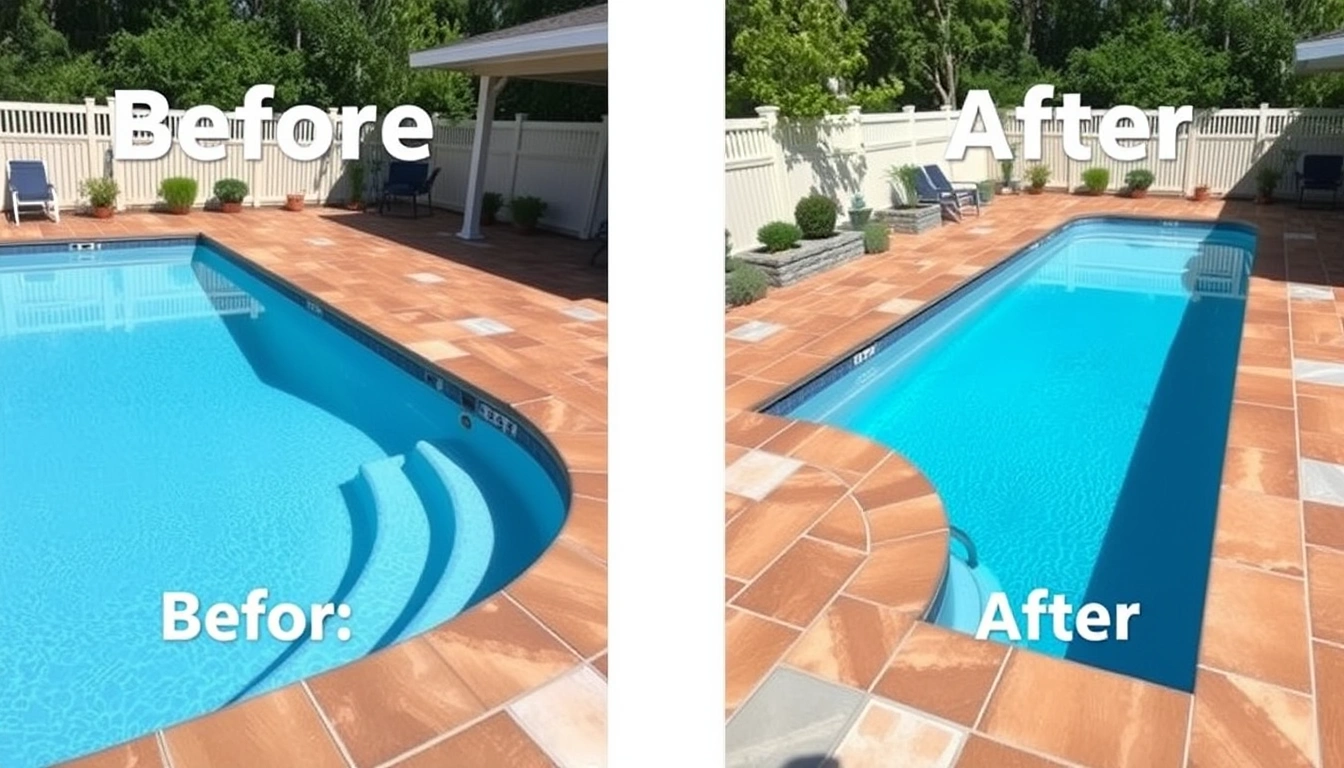
And that is the trap hiding inside every pool deck leveling before and after image. The photo shows you the day the crew packed up, not the slab two years down the road. Around a pool, two years later is the number that actually counts, because the dirt under that concrete never really dries out.
I have stood on both jobs while the crews worked. The finished look? Identical. Both methods raise a slab flush to the coping and both look clean the day they wrap. What separates them sits under the concrete, out of sight — and it decides whether your fix lasts one season or twenty.
The real difference between foam and mudjacking
It comes down to weight and staying power — not looks. Foam weighs 2 lbs per cubic foot. Cement slurry weighs 100, according to GoLevelUp (2025). That 50-to-1 gap rewrites everything that happens under a pool deck.
Here is how mudjacking works: a crew pumps a heavy cement-and-soil mix beneath the slab to shove it back up. And it does push it up. But then that heavy fill presses down on the soft, soggy soil underneath, and the slab starts sinking all over again. Add irrigation, splash-out, and a water table that never quite drains, and the whole cycle spins fast.
Foam does the opposite. It swells to 20–30 times its liquid volume in about 15 seconds, per FoundationCosts (2026), pushing the slab up with even pressure while adding almost no weight. Want the full step-by-step? This pool deck leveling breakdown covers each stage.
Foam adds 2 lbs per cubic foot of lift weight. Mudjacking adds 100. On saturated pool soil, that 50x difference is the whole story.

Polyurethane foam: who should actually use it
For most pool decks, foam is the right call. Especially if your slab rests on clay, sand, or ground that stays damp — which covers, honestly, the vast majority of them. Foam is waterproof and light, so it won’t wash away or crush the soil the way a cement slurry does.
Look at the warranties and the reason becomes obvious. Branded PolyLevel foam carries a transferable warranty of 25–75 years. Mudjacking? Usually 1–3 (FoundationCosts, 2026). No contractor backs foam for a quarter century out of kindness. They do it because it stays put.
The holes are smaller too — 5/8 inch for foam against 1–2 inch for mudjacking, per Acme Concrete (2026). On a stamped or colored deck, a patched 5/8-inch hole basically vanishes. The wider mudjacking holes almost never blend in cleanly.
Who foam is for
- Decks on wet, sandy, or clay soil — most in-ground pools.
- Stamped, colored, or high-visibility surfaces where hole size shows.
- Anyone who wants one fix that lasts, not a cheaper fix repeated every few years.
Mudjacking: the specific situations where it wins
Mudjacking earns its keep when money is the hard limit and the deck sits on dry, stable ground. It usually runs 30–50% cheaper upfront than foam. That matters if you’re listing the house next spring, or the drop is small and purely cosmetic.
It also handles big, heavy slabs nicely. Dense cement fill gives thick concrete solid backing, and on soil that stays dry it can hold for years. One catch, though. Pool decks are almost never dry ground.
So mudjacking makes real sense in a thin sliver of cases: a covered patio slab set well back from the water, a slab on compacted fill that has already finished settling, or a stopgap on a house you’re about to sell. For any of those, check the sunken pool deck numbers before you commit.
The honest side-by-side
This is the head-to-head that actually moves the needle. I cut the cosmetic stuff and kept only what touches durability, cost, and downtime.
| Criteria | Polyurethane foam | Mudjacking | Winner (wet pool soil) |
|---|---|---|---|
| Material weight | 2 lbs/cu ft | 100 lbs/cu ft | Foam |
| Cure / usable time | ~15 minutes | 24–48 hours | Foam |
| Injection hole size | 5/8 inch | 1–2 inch | Foam |
| Warranty | 5–10 yr (up to 25–75 PolyLevel) | 1–3 years | Foam |
| Water resistance | Waterproof, won’t wash out | Can erode when wet | Foam |
| Upfront cost | Higher | 30–50% lower | Mudjacking |
| Re-sink risk (pool soil) | Low | High | Foam |
| Best for | Pool decks, damp soil | Dry, stable, budget jobs | Depends |
Read that “upfront cost” row with clear eyes. Yes, mudjacking wins it. And then it loses nearly every other row — the ones that decide whether your before-and-after is still standing next year.
How long does pool deck leveling actually take?
Foam leveling runs about 1–3 hours on a typical residential deck, and the surface takes foot traffic roughly 15 minutes after injection (HMI, 2023). Mudjacking eats up similar working hours. The difference is the tail end — a 24–48 hour cure before anyone walks on it or slides a chair back into place.
What that means in practice: foam is a same-afternoon job. The crew rolls in mid-morning, drills the 5/8-inch holes, injects, patches, and by evening you’re in the water. That “real results, same day” turnaround catches most first-time buyers off guard.
Bigger or badly voided decks stretch the clock. If your slab has dropped the 2–3 inches that so often opens up between a sinking deck and the pool coping, per PolyLevel (2026), plan on more injection points and something closer to that 3-hour mark. Still one day, though. Just a fuller one.
Foam pool deck leveling is a one-afternoon job. Mudjacking is a one-afternoon job plus two days of caution tape.
Is pool deck leveling before and after worth it in 2026?
Yes. For any deck with a drop of an inch or more, leveling is worth it in 2026, because it costs a sliver of what tear-out and replacement runs. Replacing a slab means demolition, a fresh pour, and new coping. Leveling reuses the concrete you already own.
And the safety math seals it on its own. A 2–3 inch step at the coping is a genuine trip hazard, planted right beside water — about the worst possible spot to go down (PolyLevel, 2026). Fix it and you erase a liability most homeowners shrug off until somebody catches a toe.
New to all this and weighing the spend? Compare quotes closely. Pricing swings by region, and skimming the pool deck leveling cost Dallas figures gives you a useful yardstick before you ring up local crews. Good pool deck leveling services hand you a written void assessment — not just a lift price scrawled on a business card.
When to reconsider this choice entirely
Sometimes you should walk away from leveling altogether. When the slab has cracked into several large chunks, when the edges are crumbling, or when it has sunk so far that the sub-base has washed clean out from under it. In those cases foam or mudjacking simply lift broken concrete. You get a level surface that fails anyway.
The scenarios where the verdict flips
- Severe spiderweb cracking: Once a slab is fractured into many pieces, replacement beats leveling — you are lifting fragments, not a slab.
- Active plumbing leak: A leaking pool line or drain washes out soil constantly. Fix the leak first, or any lift re-sinks.
- Selling in 60 days: If you are listing fast and the drop is cosmetic, cheaper mudjacking can honestly be the smart short-term call.
- Deck older than the pool shell: If the concrete itself is spalling and near end of life, put the money toward replacement, not a lift.
Here’s a mistake I made and won’t repeat. I once talked a homeowner into foam for a deck with what looked like a hairline crack. Turned out it ran full-depth. The lift worked fine, but the crack widened as the two halves rose at slightly different rates. So check crack depth before you pick a method. Not after.
Our verdict: which one to choose
Go with polyurethane foam if your deck sits on damp, sandy, or clay soil — and again, that’s nearly every in-ground pool — and you want a before-and-after that still looks right five years out. The 15-minute cure, the 5/8-inch holes, the 25–75 year PolyLevel warranty: together they earn the higher price. In my view it’s not a close call for most homeowners.
Go with mudjacking if the slab is on dry, stable ground, the drop is small, and you’re selling soon or working a tight budget. In that narrow lane it’s a legitimate short-term fix. Nothing wrong with it there.
And go with neither if the slab is broken into pieces, the concrete is spalling, or an unfixed leak keeps feeding the settlement. Level a failing slab and all you’ve bought is a level failure.
- Foam weighs 2 lbs/cu ft vs. mudjacking’s 100 — the reason foam holds on wet pool soil.
- Foam is traffic-ready in ~15 minutes; mudjacking needs 24–48 hours to cure.
- PolyLevel foam carries a 25–75 year transferable warranty; mudjacking runs 1–3 years.
- Skip leveling entirely if the slab is fractured or an active leak is feeding the sink.
Common Questions About pool deck leveling before and after
How long does a foam-leveled pool deck last before it sinks again?
Usually it lasts as long as the warranty does — 5–10 years for standard foam, and up to 25–75 years for branded PolyLevel (FoundationCosts, 2026). The reason is simple. Foam is waterproof and weighs just 2 lbs per cubic foot, so it doesn’t wash out or crush the soil back down the way mudjacking’s heavy fill does.
Can I swim the same day my pool deck is leveled?
With polyurethane foam, yes. It cures traffic-ready in about 15 minutes (HMI, 2023), so you’re free to swim that same afternoon. With mudjacking, no — that method wants 24–48 hours to cure before the deck can safely take foot traffic or hold furniture.
{“@context”: “https://schema.org”, “@graph”: [{“@type”: “Organization”, “name”: “pooldecklift.com”, “url”: “https://pooldecklift.com”, “knowsAbout”: “Pool Deck Leveling: How to Fix a Sunken, Uneven Concrete Pool Deck”}, {“@type”: “Article”, “headline”: “Pool Deck Leveling Before and After: What Actually Works”, “description”: “Pool deck leveling before and after results compared: polyurethane foam vs. mudjacking, real costs, cure times, and which one holds up. See the honest verdict.”, “datePublished”: “2026-07-09T05:37:51.041973”, “dateModified”: “2026-07-09T05:37:51.041973”, “mainEntityOfPage”: {“@type”: “WebPage”, “@id”: “https://pooldecklift.com”}, “author”: {“@type”: “Organization”, “name”: “pooldecklift.com”}, “publisher”: {“@type”: “Organization”, “name”: “pooldecklift.com”, “url”: “https://pooldecklift.com”}}, {“@type”: “FAQPage”, “mainEntity”: [{“@type”: “Question”, “name”: “How long does a foam-leveled pool deck last before it sinks again?”, “acceptedAnswer”: {“@type”: “Answer”, “text”: “Usually it lasts as long as the warranty does — 5–10 years for standard foam, and up to 25–75 years for branded PolyLevel (FoundationCosts, 2026). The reason is simple. Foam is waterproof and weighs just 2 lbs per cubic foot, so it doesn’t wash out or crush the soil back down the way mudjacking’s heavy fill does.”}}, {“@type”: “Question”, “name”: “Can I swim the same day my pool deck is leveled?”, “acceptedAnswer”: {“@type”: “Answer”, “text”: “With polyurethane foam, yes. It cures traffic-ready in about 15 minutes (HMI, 2023), so you’re free to swim that same afternoon. With mudjacking, no — that method wants 24–48 hours to cure before the deck can safely take foot traffic or hold furniture.”}}]}, {“@type”: “BreadcrumbList”, “itemListElement”: [{“@type”: “ListItem”, “position”: 1, “name”: “Home”, “item”: “https://pooldecklift.com”}, {“@type”: “ListItem”, “position”: 2, “name”: “Pool Deck Leveling: How to Fix a Sunken, Uneven Concrete Pool Deck”}, {“@type”: “ListItem”, “position”: 3, “name”: “Pool Deck Leveling Before and After: What Actually Works”}]}]}
See also: pool deck leveling
See also: pool deck leveling services
See also: pool deck leveling cost Dallas
Related: pool deck leveling near me
Related: level pool deck without removing coping
Related: pool deck trip hazard repair