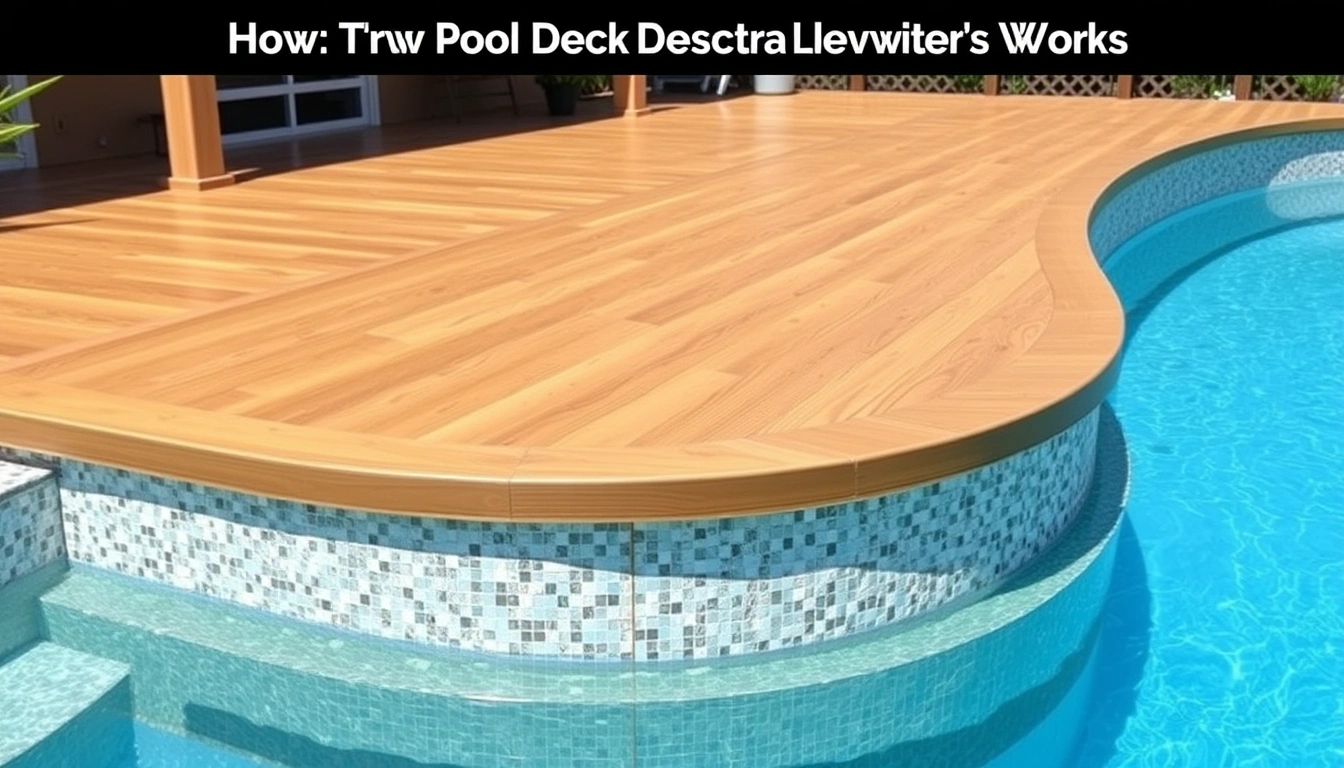
How pool deck leveling works: foam vs. mudjacking, compared honestly
⏱️ 8 min read · Last updated: 2026
- Foam leveling cures in roughly 15 minutes; you can walk on the deck the same day, versus 24–72 hours for mudjacking.
- A 2–3 inch differential between a sinking slab and pool coping is common and fully within the range both methods can correct (PolyLevel, 2025).
- Pool decks must slope so standing water is no deeper than 1/8 inch, 20 minutes after water stops, with a maximum slope of 1/2 inch per foot (ISPSC 2021).
- Typical foam pool deck jobs run $700–$2,500; mudjacking often runs 30–50% cheaper up front.
- Injection holes are dime-sized (5/8 inch) for foam, versus 1–2 inch holes for mudjacking.
A mudjacking crew quoted a client of mine $1,150 to raise a sunken pool deck section. The foam contractor charged $1,900 for the same slab. And it was the right call. Why the two methods behave so differently comes down to what’s under the slab — soil that had already failed once, near a pool.
That’s the tension nobody explains up front. Cheaper isn’t wrong here. It’s just riskier on the exact conditions that sink pool decks to begin with: saturated, poorly compacted soil sitting a few feet from water.
I’ve watched both methods play out on maybe a dozen decks over the years. The lightest foam pours weigh about 2 pounds per cubic foot once cured. Wet cement slurry? Roughly 100. So on soil that couldn’t hold the original slab, the standard fix is to pile on 50 times the weight — and that’s the mistake I see over and over.
The real difference between foam and mudjacking
It comes down to weight, and where the material ends up. Polyurethane foam expands to fill voids and lifts by pressure while adding almost no load. Mudjacking pumps a heavy cement-and-soil slurry that lifts by sheer bulk. Both raise the slab. Only one respects the soil that gave out.
Foam goes in through 5/8-inch holes, expands within seconds, and cures rigid in about 15 minutes. It’s also hydrophobic — water won’t wash it out, which matters a lot six feet from a pool.
Mudjacking uses 1–2 inch holes and a slurry that stays workable for hours. It’s proven, decades old, and clearly cheaper. But that slurry can wash out over time in wet subgrade, and its weight can speed up the next round of settling.
Cured polyurethane foam weighs about 2 lbs per cubic foot; mudjacking slurry weighs near 100. On the failed soil under a pool deck, that ratio is the entire decision.
If you want the full method breakdown before choosing a crew, this walkthrough of pool deck leveling covers prep, injection, and cure in order.
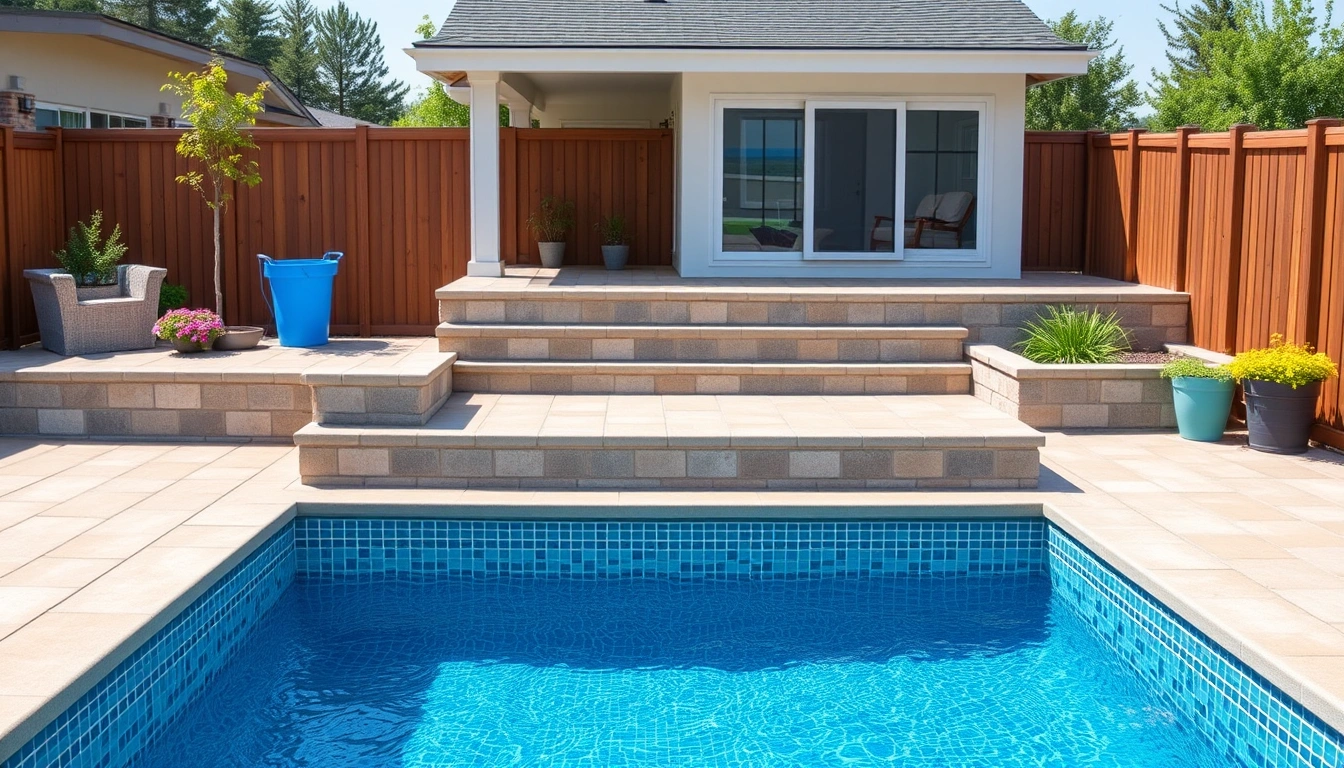
Foam leveling: who should actually use this
Foam wins for most residential pool decks. Specifically anyone with clay, sandy, or previously saturated soil — which, honestly, describes most pools. It lifts without loading the subgrade, and it won’t erode next to constant moisture.
Real strengths:
- Same-day use — cures in ~15 minutes, so the deck is walkable that afternoon.
- Dime-sized 5/8-inch holes that patch nearly invisibly.
- Waterproof; won’t wash out in the wet zone around pool coping.
- Lightweight, so it doesn’t trigger the next round of settling.
Real weaknesses: It costs more up front — typically $700–$2,500 for a residential pool deck section. And it demands a certified installer, because over-injection can crack a slab or lift it unevenly.
Who matches: You’re keeping the pool long-term, the soil is wet or sandy, and you want a fix that outlasts the next rainy season. Foam is also the safer bet for beginners hiring the work out — the fast cure means fewer variables to get wrong. Compare enough pool deck leveling before and after results and one pattern shows up: foam jobs hold their level noticeably longer in high-water-table yards.
Mudjacking: the specific situations where it wins
Mudjacking earns its keep when budget is tight, the soil is stable and dry, and the deck sits well back from constant water. Picture a raised deck section on firm, compacted fill. In those exact conditions, the cheaper method does the same job — no asterisk.
Real strengths: It’s 30–50% cheaper up front. The material is forgiving to work with. And on genuinely stable subgrade, the added weight isn’t a problem, because the soil can actually carry it.
Real weaknesses: The slurry can wash out in wet soil, the 1–2 inch holes stay visible, and cure takes 24–72 hours before full use. The weight risk is real, too. On the saturated soil that sinks most pool decks, mudjacking can settle again within a few years.
Who matches: A budget-driven fix on a stable, dry-soil deck section. Or a temporary lift on a home you plan to sell soon. If you’re weighing local crews, checking pool deck leveling near me lets you see which contractors offer both methods, so you can price them against each other honestly.
The honest side-by-side
Here’s the head-to-head on the criteria that actually change your decision. I’ve cut the marketing points that don’t move the needle.
| Criteria | Foam leveling | Mudjacking | Winner for pool decks |
|---|---|---|---|
| Cure time | ~15 minutes | 24–72 hours | Foam |
| Up-front cost | $700–$2,500 | 30–50% less | Mudjacking |
| Weight added to soil | ~2 lb/cu ft | ~100 lb/cu ft | Foam |
| Behavior in wet soil | Waterproof, stable | Can wash out | Foam |
| Hole size | 5/8 inch | 1–2 inch | Foam |
| Longevity near pool | Long-term | Shorter on wet fill | Foam |
| Precision of lift | Very precise | Moderate | Foam |
| Availability of crews | Growing | Widely available | Mudjacking |
| Best soil type | Any, incl. wet/sandy | Dry, stable only | Depends on your soil |
How long does pool deck leveling actually take?
Foam leveling runs 2–4 hours for a typical pool deck section, and the surface is walkable that same day, since foam cures in about 15 minutes. Mudjacking takes roughly the same time to inject. Then you wait — 24–72 hours before full use while the slurry sets.
For a whole deck perimeter, budget half a day of work either way. The real difference is the wait afterward.
One tested detail most articles skip: subgrade prep matters even for a lift. New pool deck construction requires compaction to 95% standard Proctor density per ASTM D698, plus contraction joints cut within 24 hours of a pour (National Patio Construction Authority, 2025). Leveling can’t rebuild any of that. So if the joints are missing entirely, expect re-cracking no matter which method you pick.
Foam leveling: walkable in hours. Mudjacking: usable in days. That gap decides it for anyone hosting a weekend pool party.
Is how pool deck leveling works worth it in 2026?
Yes. For any deck with a 1–3 inch differential, leveling is worth it in 2026, because replacement runs 4–8x more and drags a week of disruption behind it. A 2–3 inch drop between a sinking slab and the pool coping is common and correctable (PolyLevel, 2025) — not a demolition case.
Replacement also means new concrete that has to hit 4,000 psi minimum with 5–7% air entrainment per ACI 318 for severe pool-side exposure. That’s a real, higher spec than the standard 3,000 psi flatwork (National Patio Construction Authority, 2025). When the slab itself is sound, leveling sidesteps that cost completely.
Here’s the honest exception. If the slab is spider-cracked across its face, leveling only buys you time. That was my early mistake — I recommended a lift on a slab that should have been replaced. It looked great for a season. Then the cracks widened. Assess the concrete before you worry about the void.
Our verdict: which one to choose and why
Choose foam if your pool deck sits on wet, sandy, or previously settled soil — which covers most pools — and you want the fix to outlast the next rainy season. Choose mudjacking when the soil is genuinely dry and stable, budget is the deciding factor, and the section isn’t right at the water’s edge.
Neither one, if the slab is cracked across its full surface or the deck no longer meets slope code. At that point you’re re-pouring, not lifting.
My default for poolside work is foam. The weight math wins: adding 2 lb/cu ft to soil that already failed beats adding 100, every time. When contractors ask what I’d do on my own deck, that’s the answer I give. Professional pool deck leveling services should quote both and tell you which fits your soil. If they only offer one, get a second opinion.
When to reconsider this choice entirely
Sometimes the problem isn’t a sunken slab at all — it’s drainage or structure. Rethink leveling when that’s the case. Here are the four scenarios where the verdict flips:
- Full-face cracking: If cracks run across the whole slab, no injection restores integrity. Replace it — and this time cut contraction joints within 24 hours of the pour.
- Slope code failure: If the deck slopes toward the pool or standing water exceeds 1/8 inch, you need re-sloping, not a flat lift. Codes cap slope at 1/2 inch per foot (ISPSC 2021); Florida requires a 2–4% wet-deck slope.
- Active plumbing leak: A leaking return line washing out soil will keep sinking any fix. Locate and repair the leak first.
- Total subgrade failure: If a large section dropped several inches fast, the soil may need excavation and re-compaction to 95% Proctor before any slab work.
In these cases, spending on leveling first just delays the real repair — and you pay for both.
- Foam adds ~2 lb/cu ft; mudjacking adds ~100 — on the wet soil that sinks pool decks, foam wins.
- Foam is walkable in hours; mudjacking needs 24–72 hours to cure.
- A 2–3 inch slab-to-coping differential is normal and correctable — not a replacement case.
- If the slab is cracked across its face or slope fails code, level nothing until you fix the real cause.
Common Questions About how pool deck leveling works
How long does foam pool deck leveling last near a pool?
Usually as long as the slab itself. Cured polyurethane is waterproof and won’t wash out in the wet zone around pool coping, so on stable soil you can expect a decade-plus. The catch: if the underlying cause — a leak or bad drainage — goes unfixed, no material lasts.
Source: codes.iccsafe.org
Can you level a pool deck that has sunk 3 inches?
Yes. A 2–3 inch differential between a sinking slab and pool coping sits comfortably within the correctable range for both foam and mudjacking (PolyLevel, 2025). The limiting factor isn’t the drop — it’s whether the slab is cracked. A sound slab that dropped 3 inches lifts cleanly.
Is foam leveling worth double the price of mudjacking?
For pool decks, usually yes. Foam adds about 2 lbs per cubic foot versus roughly 100 for mudjacking slurry. On the saturated soil that sinks most pool decks, that weight difference is what prevents a repeat failure — which is why the higher up-front cost often works out cheaper over five years.
What slope should a pool deck have to drain properly?
Pool decks must slope so standing water is no deeper than 1/8 inch, 20 minutes after water stops, with a maximum of 1/2 inch per foot (ISPSC 2021). Florida requires a 2–4% wet-deck slope. Any leveling job has to re-establish that slope away from the pool — not just flatten the surface.
Will drilling holes for leveling damage my pool deck?
No. Foam leveling uses 5/8-inch holes — about the size of a dime — that a good crew patches to near-invisible. Mudjacking uses larger 1–2 inch holes that stay more visible. Neither compromises a sound slab; once filled, the holes are structurally trivial.
How soon can I walk on the deck after leveling?
With foam, the same day — it cures in about 15 minutes, so the deck is walkable within hours. Mudjacking needs 24–72 hours before full use while the cement slurry sets. Got an event that weekend? Foam is the only realistic choice.
The bottom line
Pick foam for your pool deck — unless the soil is dry, stable, and your budget simply won’t stretch. Near water, the weight of the fix matters more than its price. That’s the single insight separating a lift that holds from one that sinks again in three years.
See also: pool deck leveling
See also: pool deck leveling near me
See also: pool deck leveling before and after